
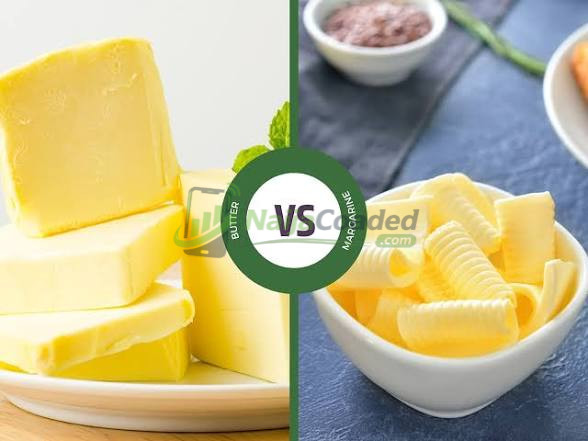
Butter and margarine may look almost identical when spread on bread or used in cooking, but the two products are made differently and can have different nutritional profiles.
Understanding the differences can help you make a better choice when shopping, cooking or baking.
1. How they are made...To Read The Full Content; Tap Here Now .
Butter is produced mainly by churning cream or milk fat, making it a dairy product.
Margarine, on the other hand, is generally made from vegetable oils that are processed and blended with other ingredients to create a spread with a butter-like texture.
2. Taste and flavour
Butter is known for its rich, creamy and slightly salty flavour. It is particularly popular in baking because it can contribute to the taste, aroma and browning of pastries and other foods.
Margarine generally has a milder flavour, although the taste can vary considerably depending on the brand and formulation.
3. Fat content
One of the biggest nutritional differences is the type of fat they contain.
Butter is relatively high in saturated fat. Margarine can contain more unsaturated fats, particularly when it is made primarily from vegetable oils.
Replacing saturated fat with unsaturated fat can help improve cholesterol levels and may reduce cardiovascular risk. However, not every margarine is the same, so checking the nutrition label is important.
4. Trans fats matter
Older types of margarine were sometimes made with partially hydrogenated oils, which could contain harmful trans fats.
Modern margarines vary by country and product, so consumers should check the label and choose products with little or no trans fat and lower saturated fat where possible.
5. Which is better for your health?
There is no simple answer based solely on the words “butter” or “margarine.”
Butter is high in saturated fat, while many modern soft margarines contain more unsaturated fat. For heart health, replacing saturated fats with unsaturated fats is generally recommended.
Whichever spread you choose, moderation is important because both butter and margarine are calorie-dense foods.
For everyday cooking, liquid vegetable oils such as olive or canola oil can also provide an option that is higher in unsaturated fats.
Ultimately, check the nutrition label, pay attention to saturated and trans fat levels, and consider how much of the product you consume rather than assuming every butter or margarine product has the same nutritional value.