
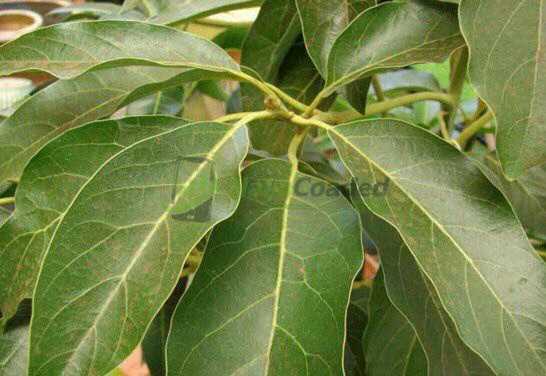
While the avocado fruit is a renowned superfood, its leaves have a history in traditional medicine, valued for their potential antiviral and antibacterial properties. These leaves are rich in beneficial compounds, including flavonoids, phenols, and phytochemicals.
Traditional wisdom suggests that a decoction (tea) made from avocado leaves may support the management of the following conditions:
Five Traditional Health Applications..To Read The Full Content; Tap Here Now .
1. Diabetes Support: The leaves contain components like Vitamin B6 and Oleic Acid that are traditionally believed to help regulate blood glucose and manage triglyceride levels, aiding in the maintenance of healthy blood levels.
2. Kidney Stone Relief: Compounds like alkaloids and saponins are thought to act as natural diuretics. By increasing urine output, the leaves are traditionally used to assist in the passage of kidney stones.
3. Antioxidant Support (Cancer): Avocado leaves are potent sources of antioxidants, such as zeaxanthin. These compounds help neutralize damaging free radicals and combat oxidative stress, supporting the body’s natural defense against cellular damage.
4. Asthma and Respiratory Health: The volatile oil component Pinene is present in the leaves. This compound is traditionally believed to help open up airways and lungs, which can ease breathing difficulties associated with asthma.
5. Insomnia and Mood Regulation: The leaves contain Limonene, a terpene associated with mood stabilization and anti-anxiety effects. Traditional use of the tea aims to promote a stable mood, thereby improving sleep quality and reducing insomnia.
A Note on Safety
Avocado leaves naturally contain persin. While many cultures traditionally consume the leaves (often after boiling), caution is advised. Consulting a health expert is crucial before adding them to your routine.