
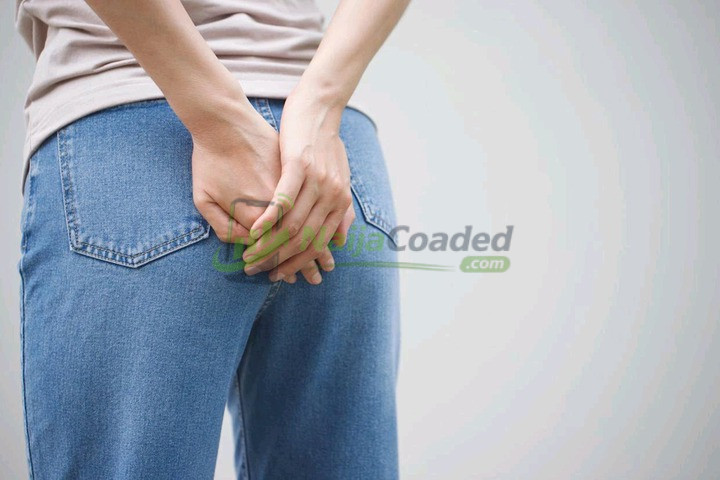
Hemorrhoids, often called piles, are swollen veins in the lower rectum or around the anus. They can be internal, inside the rectum, or external, under the skin around the anus.
Hemorrhoids are common, especially in adults over 30, and can cause discomfort, itching, pain, and sometimes bleeding during bowel movements.
Causes and Risk Factors..To Read The Full Content; Tap Here Now .
Several factors can increase the likelihood of developing hemorrhoids. Straining during bowel movements, chronic constipation or diarrhea, pregnancy, obesity, and sitting for long periods are some common causes. Age also weakens the tissues supporting veins in the rectum and anus, making hemorrhoids more likely.
Symptoms to Watch For
Common signs include itching or irritation around the anus, swelling, pain during bowel movements, and bright red blood on toilet paper or in the toilet. External hemorrhoids may feel like small lumps near the anus, while internal hemorrhoids are usually painless but may bleed.
Treatment Options
Mild hemorrhoids often improve with lifestyle changes. Increasing fiber intake, drinking plenty of water, and exercising regularly can ease bowel movements and reduce strain. Over-the-counter creams, ointments, or suppositories can relieve pain and inflammation. Warm sitz baths, where you soak the anal area in warm water, can also provide relief.
For severe cases, medical procedures may be necessary. Rubber band ligation, sclerotherapy, or surgery can remove or shrink hemorrhoids when other treatments fail. Consulting a healthcare professional is important, especially if there is significant bleeding, persistent pain, or no improvement with home care.
Disclaimer: This article is for educational purposes only and does not replace professional medical advice. Always consult a doctor for proper diagnosis and treatment.
Conclusion
Hemorrhoids are a common health issue that can be managed effectively with proper care. Early intervention, healthy habits, and timely medical support can reduce discomfort and prevent complications, allowing a return to daily activities without pain…See_More…